

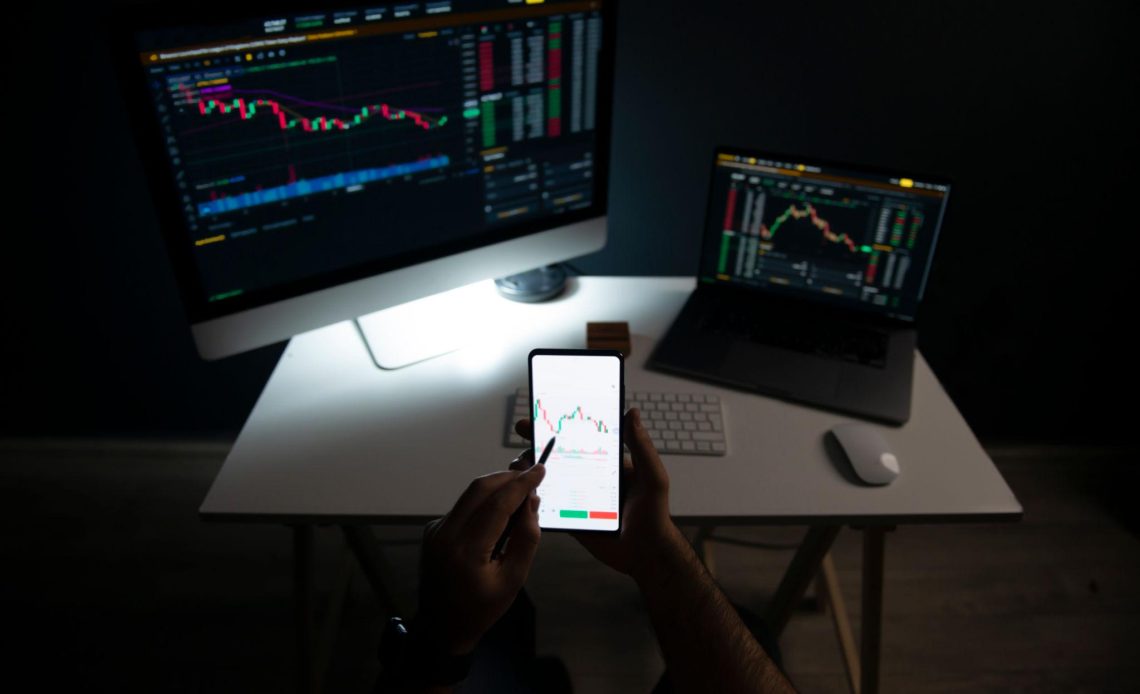
Cryptocurrency investing once required technical knowledge, specialized wallets, and direct interaction with complex blockchain platforms. Today, brokers have transformed that experience by making digital assets accessible to everyday investors. Instead of navigating unfamiliar systems, individuals can now explore crypto markets through familiar brokerage-style interfaces.
Crypto brokers act as intermediaries between investors and the cryptocurrency market. They streamline purchasing, storing, tracking, and managing digital assets in ways that resemble traditional investing. As a result, they reduce friction and open the door for more people to participate in this emerging financial space.
This article explains how brokers simplify crypto investment access, what services they provide, and why they continue to play a growing role in the digital asset ecosystem.
Understanding the Role of Crypto Brokers
A crypto broker is a platform or service provider that allows users to buy and sell cryptocurrencies without interacting directly with decentralized exchanges or blockchain protocols. Instead of matching trades between users, brokers often source liquidity from multiple providers and execute transactions on behalf of clients.
Unlike traditional crypto exchanges that require order-book interaction, brokers typically present a simplified experience. Investors see a quoted price and complete transactions instantly.
Crypto brokers generally handle:
- Trade execution
- Price aggregation
- Wallet integration
- Security infrastructure
- Compliance requirements
- Portfolio monitoring tools
This structure removes many technical barriers that once limited participation to experienced users.
Lowering the Entry Barrier for Beginners
One of the biggest advantages brokers offer is accessibility. Early crypto adoption required installing wallets, safeguarding private keys, and understanding transaction fees. These steps discouraged many potential investors.
Crypto brokers simplify the process by offering:
User-friendly dashboards
Most brokerage platforms resemble stock trading interfaces, allowing users to navigate crypto investments with minimal learning curves.
Instant onboarding
Account creation often takes minutes, with guided identity verification processes.
Integrated payment methods
Investors can fund accounts using debit cards, bank transfers, or digital payment services instead of transferring crypto from external wallets.
Clear transaction summaries
Instead of confusing blockchain confirmations, brokers provide easy-to-read transaction details.
These improvements help newcomers feel confident entering the crypto market.
Providing Secure Asset Storage Options
Security remains a major concern for crypto investors. Managing private keys independently increases the risk of accidental loss or theft. Brokers address this challenge by offering custodial storage solutions.
Broker platforms often provide:
- Encrypted wallet infrastructure
- Multi-factor authentication
- Cold storage protection
- Fraud detection monitoring
- Insurance coverage policies on custodial assets
For investors unfamiliar with self-custody practices, these protections offer reassurance and convenience.
However, experienced users may still choose external wallets for greater control over their holdings.
Simplifying Pricing and Trade Execution
Traditional cryptocurrency exchanges rely on order books where users manually set buy or sell prices. This process can be confusing for beginners.
Crypto brokers remove this complexity through simplified execution models.
Instead of placing limit orders, investors can:
- View a quoted market price
- Confirm the trade instantly
- Receive assets immediately in their portfolio
This structure mirrors stock brokerage transactions and improves confidence among first-time crypto buyers.
Additionally, brokers often provide transparent fee structures so users can understand transaction costs upfront.
Offering Portfolio Management Tools
Managing multiple cryptocurrencies across wallets and exchanges can quickly become overwhelming. Brokers centralize investment tracking into a single interface.
Typical portfolio tools include:
Performance tracking
Investors can monitor asset value changes over time.
Allocation insights
Platforms display how holdings are distributed across different cryptocurrencies.
Transaction history records
Users can review past trades easily.
Profit and loss summaries
Real-time analytics help investors understand gains and losses without manual calculations.
These tools make crypto investing more structured and easier to manage.
Supporting Regulatory Compliance and Identity Protection
Compliance requirements play a critical role in making crypto investing safer and more trustworthy. Brokers often operate within established financial regulations, helping protect users from fraud and illegal activity.
Compliance features typically include:
- Identity verification procedures
- Anti-money laundering safeguards
- Transparent reporting frameworks
- Data protection protocols
Because brokers operate under regulatory oversight in many jurisdictions, investors often feel more comfortable entering the market through these platforms instead of anonymous trading environments.
Enabling Faster Transactions for Everyday Investors
Speed is another advantage brokers provide. Instead of waiting for peer-to-peer matching or navigating exchange liquidity issues, users receive immediate confirmations.
Fast transactions are especially helpful when:
- Entering volatile markets quickly
- Responding to price movements
- Adjusting portfolio allocations
- Executing recurring investments
This responsiveness improves the overall investing experience and helps users stay engaged with market opportunities.
Integrating Crypto with Traditional Financial Services
Many brokers now combine crypto investing with traditional asset classes such as stocks, exchange-traded funds, and commodities. This integration creates a unified investment environment.
Benefits include:
Diversified investment dashboards
Users can manage multiple asset classes in one location.
Simplified tax reporting visibility
Consolidated transaction histories support easier tracking of investment activity.
Automated recurring investments
Some platforms allow scheduled crypto purchases similar to retirement contributions or savings plans.
Cross-asset strategy development
Investors can adjust portfolios using both traditional and digital assets.
This blended approach encourages long-term financial planning rather than speculative trading behavior.
Providing Educational Resources for New Investors
Education plays an important role in responsible crypto participation. Many brokers now include built-in learning resources designed for beginners.
Common educational features include:
- Market trend explanations
- Asset comparison tools
- Beginner-friendly tutorials
- Risk awareness guides
- Investment strategy insights
These resources empower investors to make informed decisions instead of relying on guesswork or social media hype.
As crypto markets continue evolving, education becomes increasingly valuable.
Enhancing Transparency Through Clear Interfaces
Transparency improves investor confidence. Complex blockchain mechanics once made it difficult to understand how transactions worked.
Broker platforms address this issue by presenting:
Simple pricing displays
Users see exact purchase costs before confirming trades.
Fee breakdown visibility
Transaction charges are clearly listed.
Account activity timelines
Investors can review platform interactions easily.
Performance analytics
Clear visuals show portfolio growth patterns over time.
This clarity encourages responsible investment behavior and reduces uncertainty.
Supporting Mobile Access for Modern Investors
Mobile accessibility has become essential in today’s investment landscape. Crypto brokers recognize this shift and provide full-featured mobile applications.
Mobile platforms allow investors to:
- Monitor prices in real time
- Execute trades instantly
- Receive market alerts
- Track portfolio performance anywhere
- Adjust strategies quickly
This flexibility helps investors stay connected to the market regardless of location.
Expanding Access to Emerging Digital Assets
Crypto brokers continuously expand the range of assets available to investors. Instead of researching individual blockchain platforms independently, users can explore curated asset selections within a single interface.
Brokers typically provide access to:
- Major cryptocurrencies such as Bitcoin and Ethereum
- Selected alternative digital assets
- Stablecoins designed to reduce volatility exposure
- Emerging blockchain ecosystem tokens
Curated listings reduce exposure to unreliable or poorly structured projects while still offering diversification opportunities.
Encouraging Long-Term Investment Participation
One misconception about cryptocurrency is that it only supports short-term trading. Brokers help change this perception by introducing tools suited for long-term investors.
Examples include:
Recurring purchase scheduling
Automatic investments support consistent portfolio growth.
Diversification guidance
Balanced asset allocation reduces concentration risk.
Performance visualization tools
Clear progress tracking encourages patience and discipline.
Risk awareness prompts
Platforms often provide reminders about volatility expectations.
These features promote healthier investment habits and support long-term strategy development.
Building Trust Through Customer Support Infrastructure
Reliable customer support remains essential in financial services. Brokers typically provide structured assistance channels that improve the investor experience.
Support services often include:
- Live chat assistance
- Email support systems
- Knowledge center documentation
- Account recovery help
- Security troubleshooting guidance
Access to support builds confidence, especially for investors entering crypto markets for the first time.
The Future Role of Brokers in Crypto Investing
Crypto brokers are likely to remain central to digital asset adoption as the market matures. Their ability to simplify access while maintaining regulatory alignment positions them as bridges between traditional finance and blockchain technology.
As infrastructure improves, brokers may expand into:
- tokenized asset access
- integrated retirement account crypto exposure
- automated portfolio balancing tools
- enhanced institutional-grade security features
These developments could further accelerate mainstream participation in digital asset markets.
Frequently Asked Questions
What is the difference between a crypto broker and a crypto exchange?
A crypto broker simplifies trading by quoting prices and executing transactions instantly on behalf of users, while exchanges allow direct interaction with order books where traders set their own buy and sell prices.
Are crypto brokers suitable for experienced investors?
Yes. Although designed with beginners in mind, many brokers provide advanced portfolio tracking tools, multiple asset access, and cross-market integration useful for experienced investors.
Do crypto brokers charge higher fees than exchanges?
Some brokers include service spreads in pricing instead of separate transaction fees. While this can appear higher in certain cases, the convenience and simplicity often justify the difference for many investors.
Can investors transfer crypto from a broker to a private wallet?
Many brokers support withdrawals to external wallets, although availability depends on the platform’s policies and supported assets.
Do brokers support automatic crypto investing plans?
Some platforms allow recurring purchase schedules that help investors build holdings gradually over time without manual transactions.
Are crypto brokers regulated financial institutions?
Regulation varies by region, but many brokers operate under financial compliance frameworks that include identity verification and anti-fraud protections.
Can brokers help reduce crypto investment risks?
Brokers cannot eliminate market volatility, but they provide tools such as portfolio tracking, diversification insights, and educational materials that support more informed decision-making.